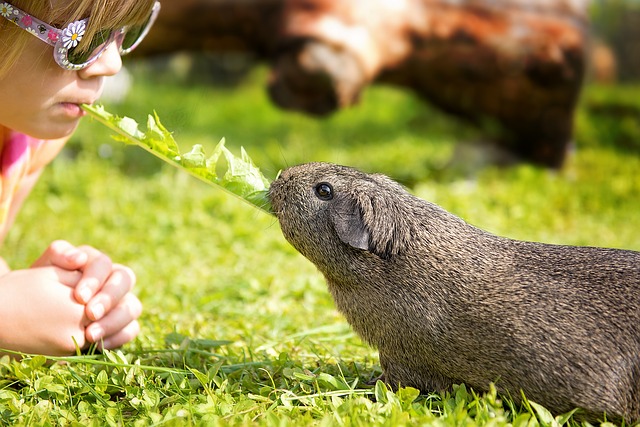
Each spring, I eagerly scan our un-sprayed yard for the first yellow dandelion flower head to pop open so I can pick and eat it. Yep. Eat it. Have you tried eating the yellow petals of a dandelion? Your definitely missing out if not. It is surprisingly sweet, like eating warm sunshine.
As a child, I learned that the white sap leaking from stems tasted very bitter and created a brown stain on my hands. I didn’t attempt to eat any part of a dandelion, thinking perhaps the white sap’s bitterness meant it was poisonous. I couldn’t have been more wrong.
Every part of a dandelion is edible, the leaves, stems, flowers and roots. Dandelions have antioxidant properties and can help improve body function. Dandelion leaves contains powerful phytochemicals (phyto means plant) that have profound cleansing and healing effects on the body. They act as a diuretic, helping to improve the function of the liver, pancreas, spleen, stomach, and kidneys without depleting potassium from the body. The leaves are helpful in aiding with digestion.
Dandelion leaves, the greens, are best to eat in the spring before the plant flowers. This is when nutrients and energy is focused within the leaves. As the plant continues to grow, energy becomes focused on flowering and leaves can grow bitter. Eating the flower is most beneficial at this time. By autumn, energy becomes concentrated at the roots as they reach very deep into the earth for minerals. This is when the root is best eaten or drank in a tea. Following the energy of the entire plant and eating it in order of its growth offers the most benefit for our bodies.
Dandelion leaves are great in salads, sandwiches, soups, and casseroles. They also make a good addition to a morning smoothie. The leaves can have a bitter taste (a trait common to most liver aiding herbs), and you can blend it with a natural sweeter, flavorful fruits or to blanch them for 20 – 30 seconds before use to decrease bitterness. I find the sourness of lemon helps to mask the bitterness of dandelion greens. Apple, banana, lemon, and dandelion combine to offer additional health benefits. You’ll be getting plenty of dietary fiber, vitamins, minerals, antioxidants, and important plant nutrients that support healthy immune function, proper digestion, and light detoxification from dandelion greens and lemon.
Dandelions are as unique as their name. The word dandelion is French. ‘Dente’ means tooth and lion refers to the large feline. The leaves were thought to resemble the tooth of a lion. The French are not afraid of these lions teeth greens as dandelions are a delicacy in France. Give them a try and perhaps dandelions will be the new delicacy in your kitchen!
My favorite dandelion smoothie
1 cup fresh dandelion leaves
1/2 cup fresh squeezed lemon juice
1/2 cup strawberries 1 banana
1 cup fresh cut pineapple
Blend all in food processor & drink.
I enjoy teaching about wild food foraging for wild field mustard. If you would like to learn more about identifying, harvesting, preparing field mustard and dandelion greens to eat, and to learning new recipes, come to the Earth Edibles class on May 3rd from 1-3 p.m.
For more information, follow this link, click on ‘events’ and “like” NightinGayle Gardenson facebook!
Sonya is a lifelong Bluewater area resident and lives in Croswell with her husband of over 20 years, two teen aged children and many pets. She graduated from Yale High School, SC4, Wayne and Trinity Natural Health School. She worked as a Licensed Veterinary Technician and Surgical Scrub Tech prior to receiving her traditional naturopathy degree. She specializes in nutrition, herbs, digestive health, reiki, emotional and energy healing, medical astrology, numerology, pass life regression and more. Sonya is an organic gardener, wild food forager, free lance writer, speaker and teacher. She opened her naturopathy office, NightinGayle Gardens in honor of her late mother, Gayle. It was during her Mother’s illness Sonya was enlightened with the power of natural healing and became determined to help others on their path to healing mind, body and spirit.


 NightinGayle Gardens